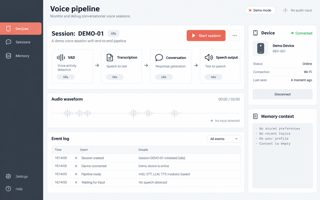
 AI interface illustration
HiLily · Voice companion
Volunteer AI Coach contributing to microphone echo cancellation, noisy-environment recognition and low-latency speech-to-speech integration in a team-built hardware and software MVP.
Enterprise systems, applied AI, developer tools and earlier work. For the business context, my role and engineering decisions, start with the four selected cases.
Read the selected engineering casesCRM workflow demonstration
Fictional data, running only in your browser. This simplified simulation illustrates the implemented request and version rules; it does not connect to the private CRM or reproduce its production interface.
Create one fictional record with request key demo-note-001.
Resend the identical request and key: return the original record without creating a second one.
A colleague adds a review requirement. The saved record becomes version 2.
The agent still holds version 1. Reject its edit with 409 and preserve the colleague’s change.
A person reads version 2 and combines both changes. Saving with the current version creates version 3.
Step 0 / 5
Ready. Start by creating a fictional note.
No note has been created.
Complete project collection
30project examples
AI systems, voice workflows, enterprise software and web applications. Client work is anonymised; previews include screenshots and illustrative interfaces.
AI interface illustrationVolunteer AI Coach contributing to microphone echo cancellation, noisy-environment recognition and low-latency speech-to-speech integration in a team-built hardware and software MVP.
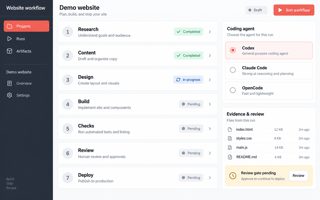 AI interface illustration
A complete website workflow from research and design to build, checks and deployment. Reusable stages and agent profiles accommodate Claude Code, Codex and OpenCode, with evidence, retries and review gates.
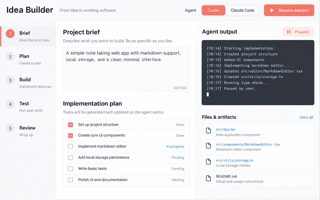 AI interface illustration
A guided software delivery system turning an idea into planning, implementation, testing and deployment stages, with interchangeable coding agents, streamed output and resumable sessions.
A browser workbench for coding-agent sessions, streamed tool events and workspace artifacts, built with React, TypeScript and Fastify.
 AI interface illustration
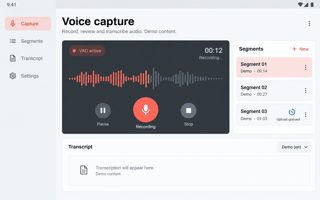
Android voice capture with VAD segmentation, AAC encoding and retryable uploads, paired with server-side transcription and contextual processing of spoken requests.
 AI interface illustration
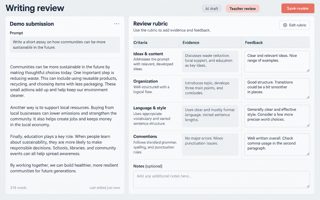
An assessment application combining rubric-based AI feedback, teacher review and role-based access, with structured assessment records and an editable grading workflow.
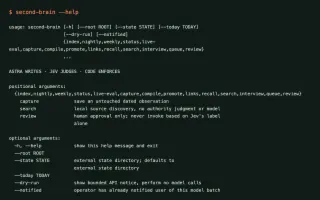
A source-backed knowledge prototype with validity checks, reviewed records and traceable retrieval.
 AI interface illustration
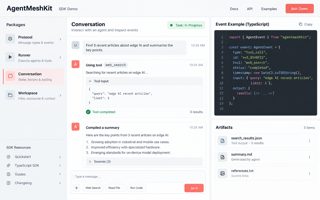
A modular toolkit extracted from agent-workbench engineering: shared event protocols, CLI runners, conversation components, workspace artifacts and task-state handling.
 AI interface illustration
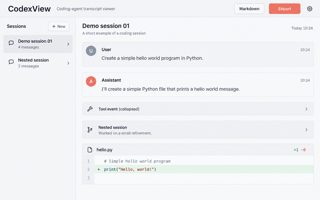
React components, adapters and a Markdown CLI for reading coding-agent transcripts, preserving tool events and nested sessions in a consistent conversation format.
 AI interface illustration
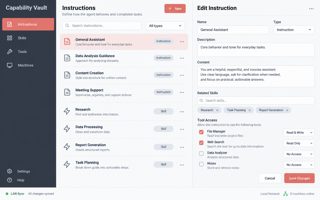
A desktop and LAN-sync system for managing agent instructions, skills, tool connections and machine capabilities across engineering workstations.
 AI interface illustration
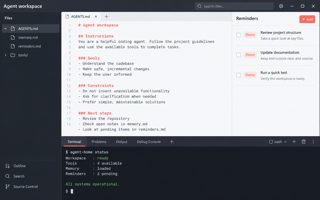
A reusable work-directory toolkit for coding agents, combining instruction templates, Markdown memory, reminders and CLI maintenance tools in a persistent workspace.
 AI interface illustration
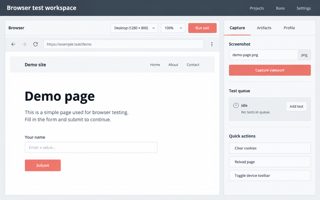
A containerised desktop browser environment for functional checks, with persistent browser profiles, captured test artifacts and backup/restore tooling.
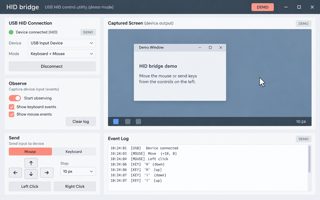 AI interface illustration
An ESP32-S3 keyboard/mouse bridge paired with host-side screen capture and decision tooling, connecting visual observation to controlled USB HID actions.
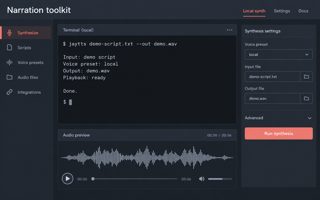 AI interface illustration
CLI and service integration around the existing VoxCPM2 model, packaging script input, voice settings, playback and WAV/MP3 delivery into repeatable narration workflows.
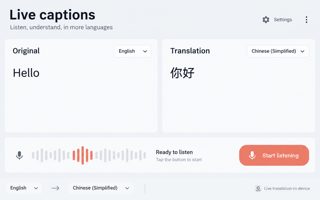 AI interface illustration
An Android interpretation prototype that segments incoming speech, sends it for transcription and presents translated captions through a continuous audio-processing flow.
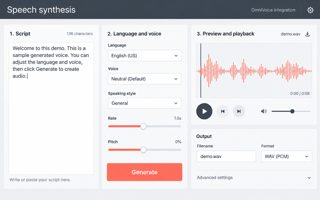 AI interface illustration
A command-line wrapper for the existing OmniVoice engine, packaging local speech generation into repeatable workflows.
 AI interface illustration
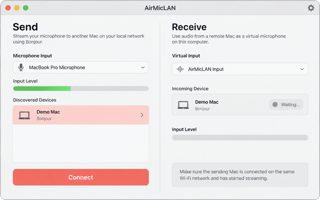
A Mac-to-Mac microphone bridge using Bonjour discovery and TCP audio streaming, with PCM capture and virtual audio input on the receiving computer.
 AI interface illustration
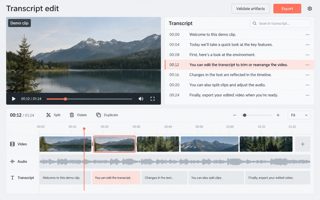
Transcript-led editing and reproducible media delivery with Python, FFmpeg and artifact validation.
 AI interface illustration
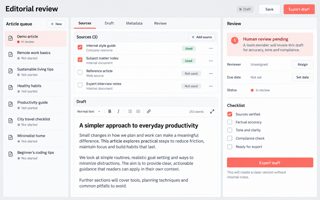
A source-aware drafting pipeline connecting topic planning, article generation, metadata and content checks, with review before publishing.
 AI interface illustration
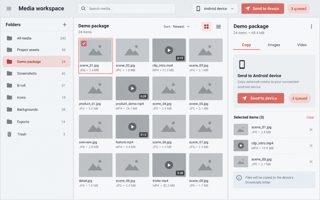
An Android and API-backed workspace for organising copy, images and video into media packages, handling agent requests and delivering assets to the phone.
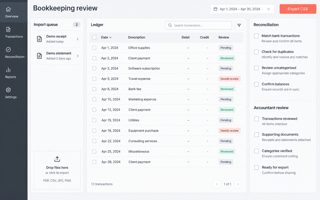 AI interface illustration
Receipt and statement normalisation, structured ledgers and reconciliation packs for human review.
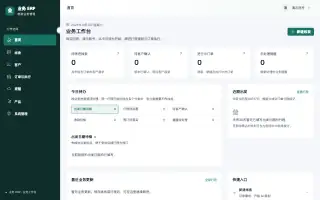
An ERP development instance connecting planning, product/SKU catalogues, orders, procurement and operational reminders, with permissions and audit records.
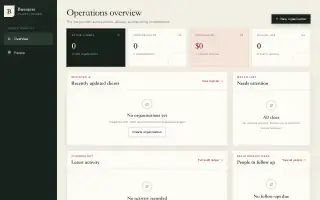
Configurable internal CRM with follow-up reminders, shared business context and controlled API/CLI updates, providing a foundation for integrated AI service workflows.

A travel website organising journeys, itineraries and enquiry paths with reusable pages and structured metadata.

A bilingual service website with clear service information, contact flows and mobile navigation.
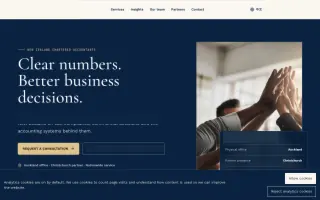
A bilingual professional-services website with a structured insights library and maintainable content models.
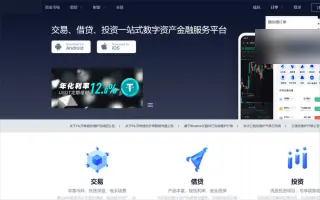
An earlier digital-asset web project. The preview is historical; the current domain serves a holding page.
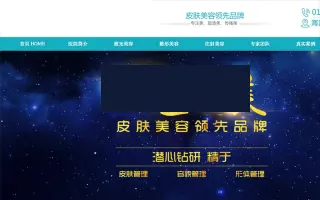
An earlier healthcare website presenting service categories, team information and enquiry paths.

A mobile-app project for recording spending and activity, with a companion web introduction.

An earlier healthcare website presenting specialist services and patient-facing information.